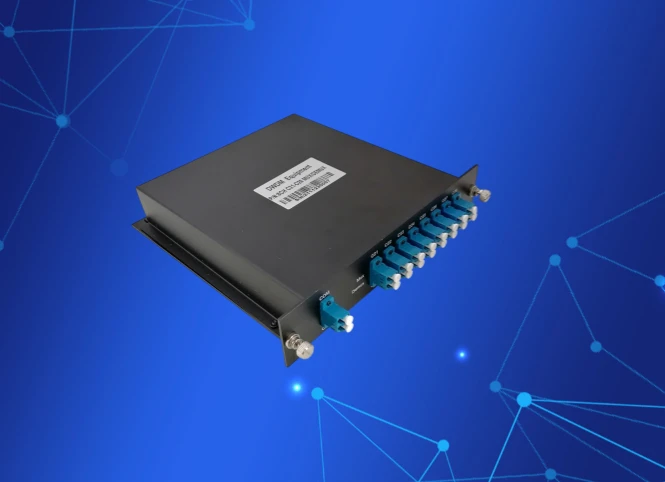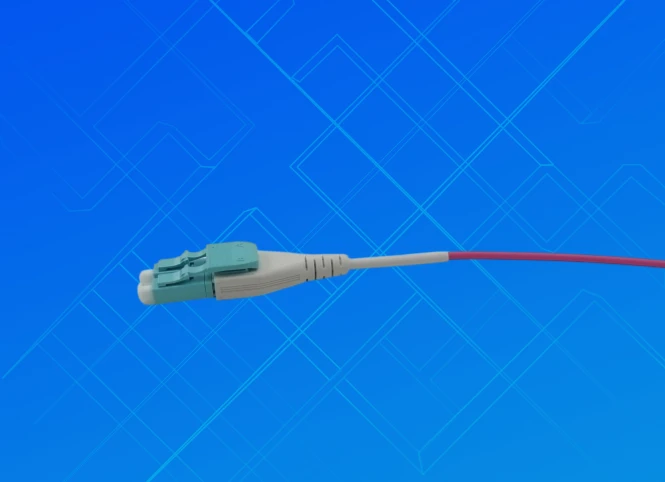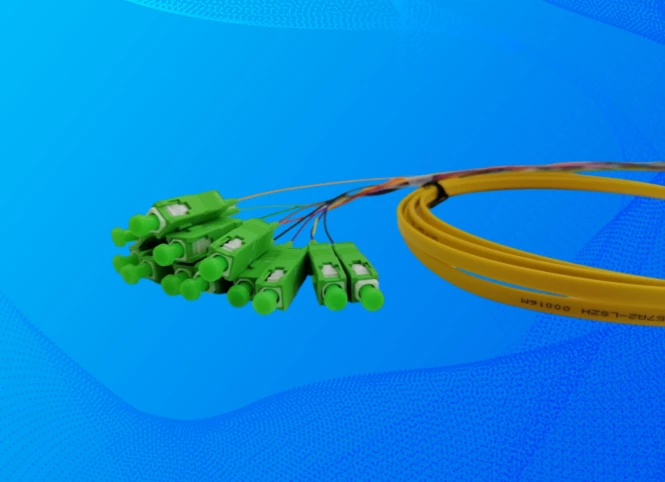
Armored MTP trunk cables should not be assumed suitable for direct burial. MTP identifies the multifiber connector format, not the cable’s underground rating, so I would approve direct burial only when the complete assembly is engineered and documented for moisture, crushing, pulling tension, bending, temperature, UV exposure, and the planned route. Otherwise, I would use a purpose-built outdoor direct-burial cable or install the approved assembly inside a suitable conduit.
For a campus data center interconnect, I evaluate the cable, connectors, pathway, building entries, closure hardware, grounding method, and test plan as one system. This approach prevents a common design error: selecting an indoor data-center mtp trunk cable because its connector count and polarity match the switches, then placing that assembly in an underground pathway without confirming jacket, water-blocking, or mechanical approvals.
!
Generally, no—not by default. An armored MTP trunk cable can be buried directly only when the exact cable assembly is explicitly manufactured, rated, and approved for direct burial under the expected soil, moisture, temperature, mechanical, and code conditions. If the datasheet describes only indoor use, LSZH or OFNR fire performance, or rack-level data-center deployment, I treat it as unsuitable for unprotected burial.
The distinction is important because MTP or MPO describes the connector and multifiber assembly format, while direct-burial suitability depends on the entire cable construction. That construction may include a loose-tube core, water-blocking materials, polyethylene outdoor jacket, steel tape or dielectric armor, ripcords, strength members, and specified tensile, crush, impact, and bend limits.
Before selecting a direct-burial MTP cable, I collect the route drawings, burial depth, soil conditions, expected vehicle loading, seasonal temperature range, ultraviolet exposure at transitions, building-entry details, and the required fiber count. I also confirm whether the link will use OS2 single-mode, OM4 multimode, or another fiber type, because the optical budget and transceiver compatibility depend on that choice.
I then define the termination strategy. A factory-preterminated multifiber cable may reduce field connector work, but the MTP connectors still need protection during pulling, entry, and closure installation. For longer outdoor routes, I often compare a field-spliced outdoor loose-tube cable with splice closures against a pre-terminated trunk installed in conduit.
A practical pre-installation checklist includes:
A direct-burial fiber optic cable for campus data centers must be designed for underground exposure rather than simply protected with a metal layer. I look for an outdoor-rated jacket, moisture resistance, longitudinal water blocking, and mechanical ratings that match the route. A cable that resists rodents but lacks water blocking or a suitable polyethylene jacket still may fail when groundwater reaches the cable core.
The cable should also state its allowable pulling tension and crush resistance. During installation, I keep pulling force below the manufacturer’s limit and use a swivel, pulling eye, lubricant, and tension monitor where required. I do not pull on the MTP connector body, boot, fanout, or breakout legs because those parts are intended for termination and patching, not for absorbing installation loads.
| Design factor | What I check | Why it matters |
|---|---|---|
| Water blocking | Gel-filled, dry water-blocked, or equivalent construction | Limits longitudinal water migration after jacket damage |
| Armor | Steel tape, interlocked armor, or dielectric protection | Reduces rodent, impact, and crushing risks |
| Jacket | Outdoor polyethylene or specified direct-burial jacket | Supports soil, moisture, and UV exposure |
| Strength member | Central or peripheral strength elements | Controls tensile loading during placement |
| Bend radius | Static and installation values in the datasheet | Prevents macrobending and fiber stress |
| Temperature | Storage, installation, and operating ranges | Prevents jacket and optical performance problems |
| Fire rating | Indoor transition rating, such as OFNR or LSZH where required | Supports code compliance inside buildings |
Metallic armor also requires a grounding and bonding plan. I identify where the armor is bonded, how continuity is maintained across closures or transition hardware, and whether the cable entry creates a potential difference between buildings. A dielectric armored fiber optic cable can simplify bonding, but it still requires mechanical and environmental verification for the pathway.
The first design step is to classify the cable correctly. A standard MTP trunk cable is usually built for controlled indoor environments, rack-to-rack links, patch panels, cassettes, and high-density data-center connections. Its small breakout legs, connector boots, indoor jacket, and bend-sensitive fanouts may not tolerate direct contact with soil, standing water, pulling equipment, or repeated temperature cycling.
Outdoor loose-tube or direct-burial OSP cables use a different construction philosophy. They commonly place fibers inside protected loose tubes, include water-blocking elements, and use jackets or armor selected for underground pathways. If the campus route is exposed to excavation, rodents, flooding, or heavy surface loads, I normally begin with an OSP cable and then design the MTP termination or splice interface around it.
OPTEKCOM presents both MPO/MTP connectivity products and outdoor optical fiber cable categories, so I would request a project-specific bill of materials rather than treating every listed MTP trunk cable as an outdoor burial product. The approval should identify the exact cable construction, connector assembly, closure, entry hardware, and intended installation method.
Direct burial and conduit installation solve different pathway problems. Direct burial can reduce the number of pathway components, but the cable itself must carry the environmental and mechanical requirements. Conduit can provide additional protection, easier replacement, and separation from soil, although it introduces inner-diameter, pulling-tension, drainage, access, and maintenance requirements.
For a factory-preterminated MTP assembly, conduit is often the more practical option because it protects the connectors during installation and keeps the termination system away from groundwater. I confirm that the conduit is large enough for the cable’s outside diameter and connector pulling arrangement, then check the route for bends that could exceed the cable’s dynamic bend radius.
| Campus condition | Preferred approach | Main reason |
|---|---|---|
| Short route with approved direct-burial assembly | Direct burial may be suitable | Fewer pathway components |
| Existing duct bank with spare capacity | Conduit-installed MTP assembly | Protects connectors and supports future replacement |
| Long route with multiple buildings | Outdoor loose-tube cable with closures | Easier field repair and section replacement |
| Flood-prone or high-risk soil | Sealed conduit or water-blocked OSP design | Limits water and contamination exposure |
| Need for rapid rack deployment | Indoor MTP trunk from entry point inward | Preserves factory polarity and density advantages |
I do not treat conduit as a substitute for a correct cable rating. A conduit can reduce exposure to soil and impact, but the cable still needs a temperature range, pulling limit, bend limit, and jacket construction compatible with the installation. I also avoid sealing a pathway without providing drainage or pressure relief where the design requires it.
For a campus data center interconnect, I divide the route into outdoor, transition, and indoor segments. The outdoor segment may use direct-burial armored cable, duct-installed loose-tube cable, or a protected pre-terminated assembly. The transition segment includes handholes, splice closures, glands, grounding points, and building-entry seals, while the indoor segment uses fire-rated cable, patch panels, MTP cassettes, or equipment-specific breakout assemblies.
Building entries deserve separate engineering attention because they combine different cable environments. An outdoor polyethylene-jacketed cable may need to terminate in a sealed splice closure or transition box before an indoor OFNR or LSZH cable continues into the data hall. I also provide service loops at entry points and closures, because a cable with no slack is difficult to reterminate after accidental damage.
MTP polarity must be confirmed before the cable is manufactured or installed. I document whether the link uses Type A, Type B, or Type C polarity, then match connector gender, key orientation, fiber numbering, cassettes, patch panels, and transceiver ports. A mechanically undamaged cable can still produce a nonworking link if the polarity plan is inconsistent between buildings.
I also specify connector protection during transport and installation. Dust caps should remain installed until inspection, and every exposed end face should be cleaned and inspected before connection. For metallic armor, I record the bonding points and continuity checks, while dielectric armor requires confirmation that the selected cable satisfies the mechanical and environmental requirements without relying on a metallic shield.
Acceptance testing should include insertion-loss testing, polarity verification, connector inspection, and OTDR testing where the route length, splice count, or owner specification requires it. I test the installed link at the wavelengths appropriate for the selected fiber and compare the measured result with the approved link budget. For example, a project may reserve 0.5 dB to 1.0 dB of engineering margin after accounting for fiber attenuation, connector pairs, splices, and repair allowances, but the final limit must come from the design authority.
OTDR results help identify reflective events, excessive splice loss, bend-related loss, and unexpected length differences. I retain launch and receive fibers when required so the first and last connectors are measured correctly. I also record the test equipment model, calibration status, wavelength, reference method, test date, technician, cable identification, and pass/fail limit.
The final as-built package should include:
The most serious failure occurs when an indoor MTP trunk cable is buried because it has the word “armored” in its description. Armor may reduce rodent or crush damage, but it does not automatically provide water blocking, outdoor jacket performance, direct-burial approval, or a suitable pulling rating. Once water enters a poorly sealed connector or fanout, field repair may require replacing an entire pre-terminated assembly.
Other failures include exceeding the dynamic bend radius at a handhole, pulling on the connector, placing a cable in a flooded conduit, omitting an indoor fire-rated transition, and ignoring armor bonding. I also see projects that test only the optical signal after installation without verifying polarity, route records, or closure labels. These omissions increase troubleshooting time when a link later fails or when a second pathway is added.
I select an outdoor MTP trunk cable only after matching the cable construction to the route. The minimum review should cover fiber type, fiber count, connector format, polarity, gender, jacket, water blocking, armor type, tensile rating, crush resistance, bend radius, temperature range, UV exposure, fire rating, and termination method.
For many campus projects, the best solution is not a single cable type across the entire route. I may specify an outdoor-rated MPO trunk cable or loose-tube armored cable for the underground segment, sealed splice closures at building boundaries, and an indoor MTP trunk cable for the final rack connection. This layered design keeps each cable in the environment for which it was constructed.
OPTEKCOM can be included in the supplier review when the project requires MPO/MTP connectivity, fiber cable assemblies, outdoor optical fiber cable, splice closures, or data center interconnect components. I would still request the exact datasheet, test report, sample assembly, and installation approval before purchasing. Supplier selection should be based on the complete system documentation rather than connector branding alone.
Can armored MTP trunk cables be used for direct-burial outdoor pathways between campus data center buildings? Yes, but only when the exact complete assembly is specifically rated and approved for direct burial, outdoor moisture, crushing, pulling tension, bend stress, UV exposure, temperature variation, and the planned pathway conditions. Armor alone does not establish direct-burial suitability.
My recommended next step is to divide the route into outdoor, transition, and indoor sections, then approve the cable, closure, entry hardware, bonding method, polarity plan, test limits, and as-built records as one design. When the MTP assembly is intended mainly for racks and patch panels, I would place it inside suitable conduit or transition to an outdoor loose-tube direct-burial cable. That approach protects the investment in pre-terminated connectivity while matching each cable segment to its actual environment.